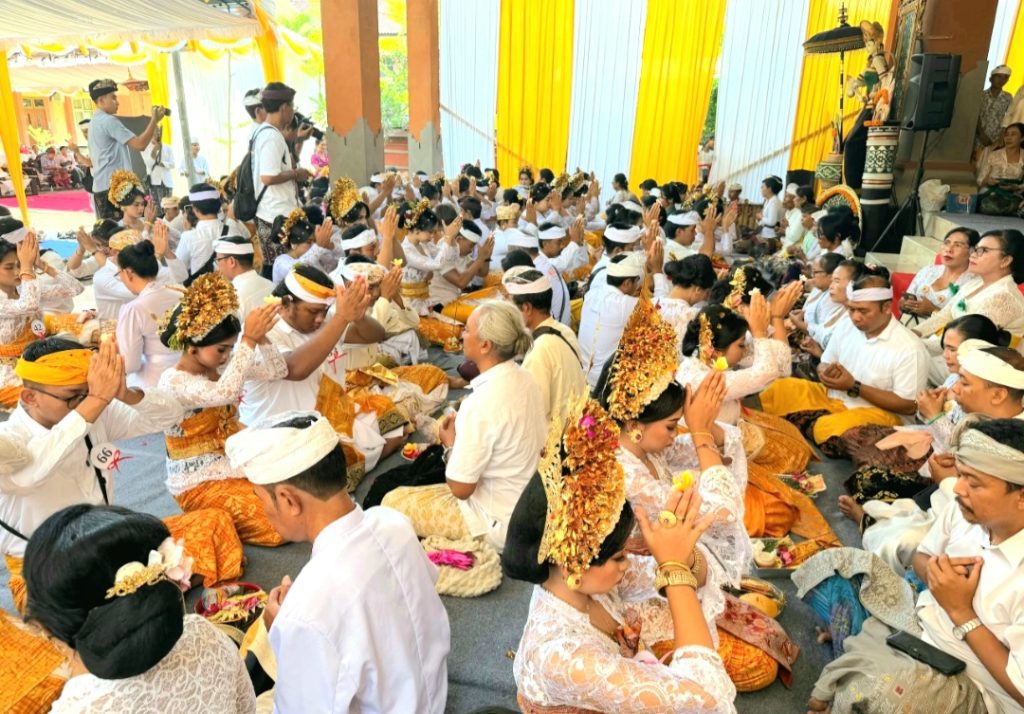
MATARAM – The State Hindu Institute of Gde Pudja Mataram (IAHN Gde Pudja Mataram) continues to strengthen its commitment to serving the Hindu community through meaningful religious, cultural, and social initiatives. This commitment was demonstrated through the 2026 Mass Mepandes lan Munggah Truna-Truni Ceremony for Hindu communities across West Nusa Tenggara (NTB), held on Sunday, November 15, 2026, at the institute’s campus in Mataram.Carrying the theme “Mepandes lan Munggah Truna-Truni as a Means of Building Spiritual and Religious Character towards the Development of Suputra Generations,” the event served not only as an effort to preserve Hindu customs and traditions but also as a tangible expression of the institution’s concern for the religious and social needs of the community.
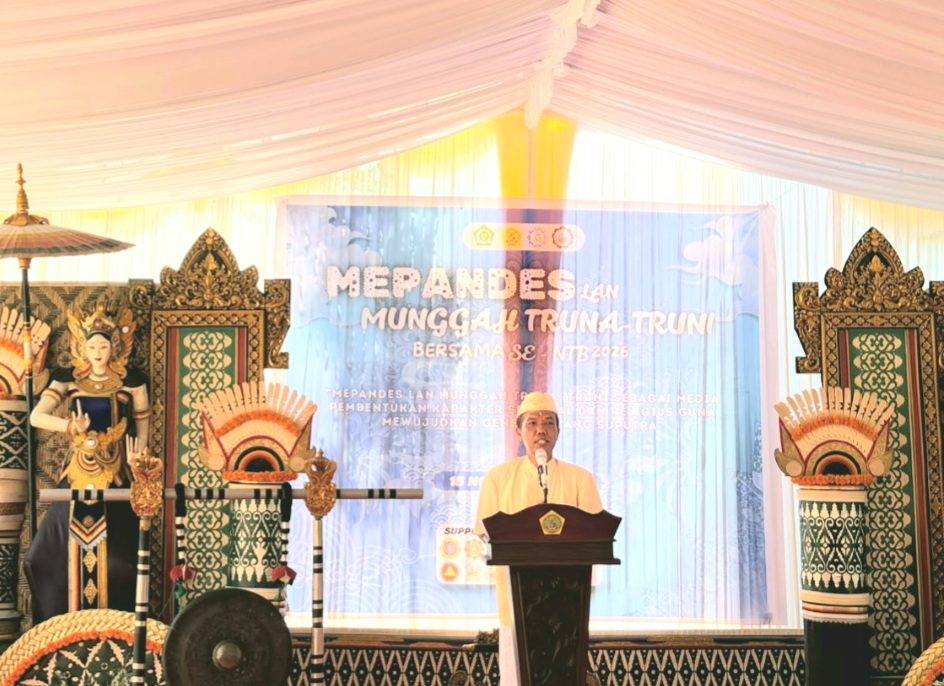
The initiative was spearheaded by the Center for Gender Studies under the Institute for Research and Community Service (LPPM) of IAHN Gde Pudja Mataram, in collaboration with Sarati Banten, PSN, student organizations, and other community partners. The organizing committee was also composed of IAHN Gde Pudja Mataram students, who played an active role in coordinating and facilitating the event. Their involvement provided valuable hands-on experience in community engagement while putting into practice the Hindu principle of seva (selfless service), leadership, cooperation, and social responsibility.The opening ceremony was attended by the Chairman of the Indonesian Hindu Dharma Council (PHDI) of West Nusa Tenggara, Ir. I Wayan Karioka, M.H.; the Head of the Hindu Community Guidance Division of the Regional Office of the Ministry of Religious Affairs of West Nusa Tenggara, I Gde Suberata; representatives of Hindu organizations across NTB; community and religious leaders; and members of the IAHN Gde Pudja Mataram academic community.
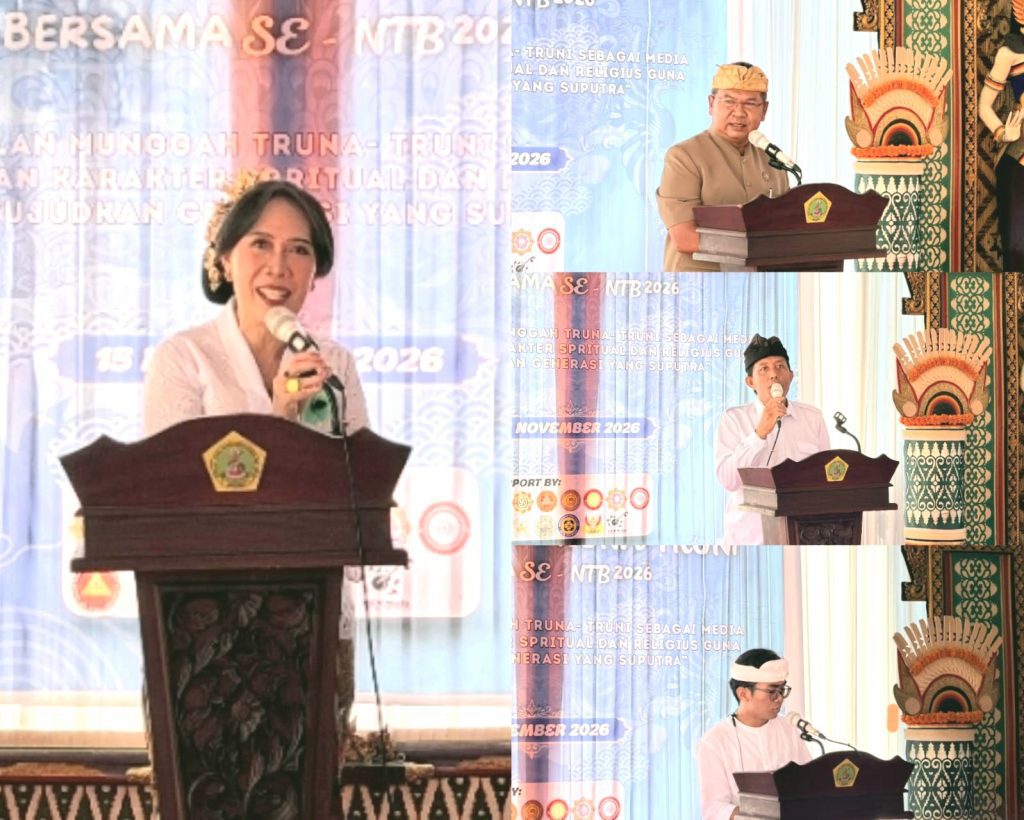
In his remarks, the Chairman of PHDI NTB, Ir. I Wayan Karioka, M.H., expressed his appreciation for the institute’s initiative in providing religious services that directly address the needs of Hindu communities. He highlighted the importance of collective religious activities in strengthening social solidarity and ensuring that Hindu traditions continue to be passed down to younger generations.Meanwhile, the Head of the Hindu Community Guidance Division, I Gde Suberata, emphasized the importance of collaboration among religious educational institutions, government agencies, Hindu organizations, and communities in strengthening religious development. He noted that collective ceremonies such as this provide meaningful religious services while contributing to the development of a generation grounded in spiritual values and dharma.
The Head of LPPM IAHN Gde Pudja Mataram, Dr. Ni Luh Sinar Ayu Ratna Dewi, S.S., M.Ag., highlighted that the event represented a practical implementation of the university’s Three Pillars of Higher Education (Tri Dharma Perguruan Tinggi), particularly its community service pillar. Through cross-sector collaboration, LPPM seeks to develop community engagement programs that go beyond ceremonial activities and deliver tangible social and spiritual benefits.In his address, the Rector of IAHN Gde Pudja Mataram, Prof. Dr. Ir. I Wayan Wirata, A.Ma., S.E., M.Si., M.Pd., emphasized that the institution’s responsibility extends beyond education and academic development. As a Hindu higher education institution, IAHN Gde Pudja Mataram also has a social and religious responsibility to remain connected to the community and contribute directly to its well-being.He further explained that the mass ceremony was intended to make important Hindu religious and traditional observances more accessible and affordable for families, without compromising their sacredness, philosophical meaning, or religious significance.
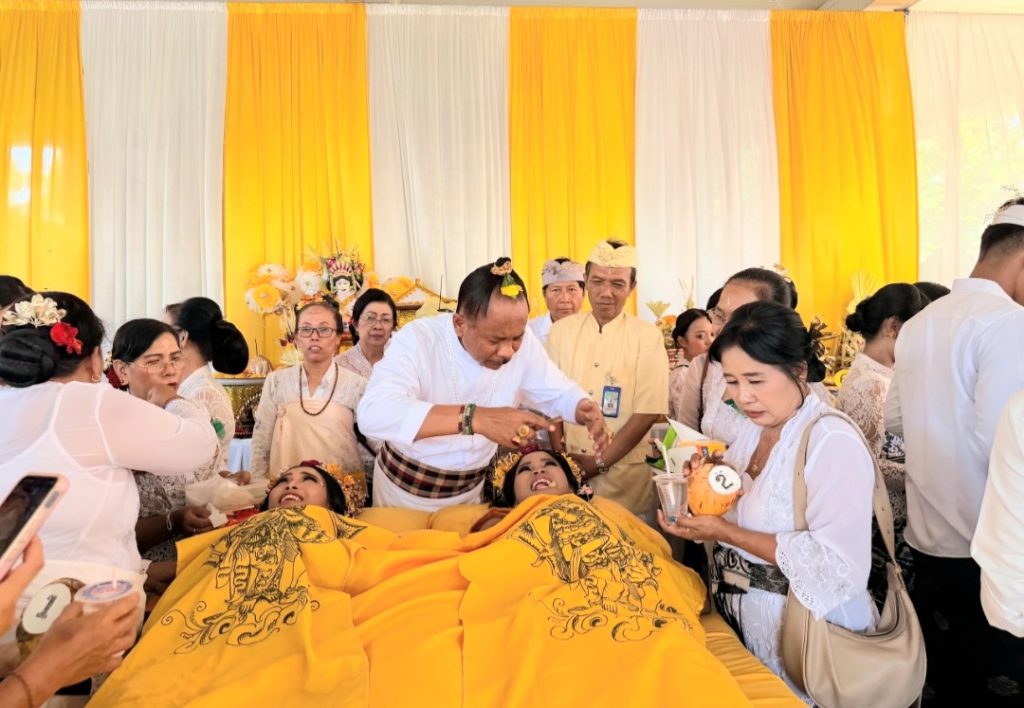
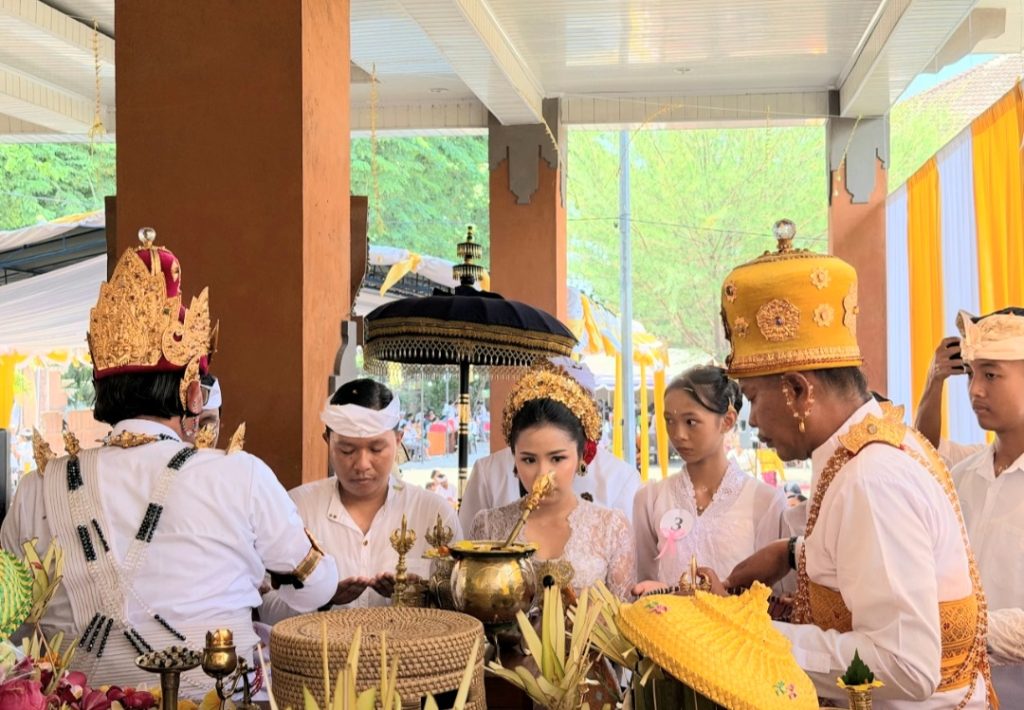
The Rector also expressed his appreciation to all organizing teams, institutional partners, community organizations, and sponsors whose support made the event possible.The ceremony was officially inaugurated by the Rector through the symbolic striking of a gong, marking the beginning of the 2026 Mass Mepandes lan Munggah Truna-Truni program.Community participation was reflected in the number of participants. A total of 82 individuals took part in the Mepandes (Matatah) tooth-filing ceremony, while 38 participants joined the Munggah Truna-Truni coming-of-age ceremony, bringing the total number of participants to 120.The sacred rituals were led by two Hindu high priests (sulinggih): Pedanda Siwa, Pedanda Gde Puja Manuaba of Griya Gunung Sari, and Pedanda Buddha, Pedanda Gde Putra Gautama of Griya Monjok.
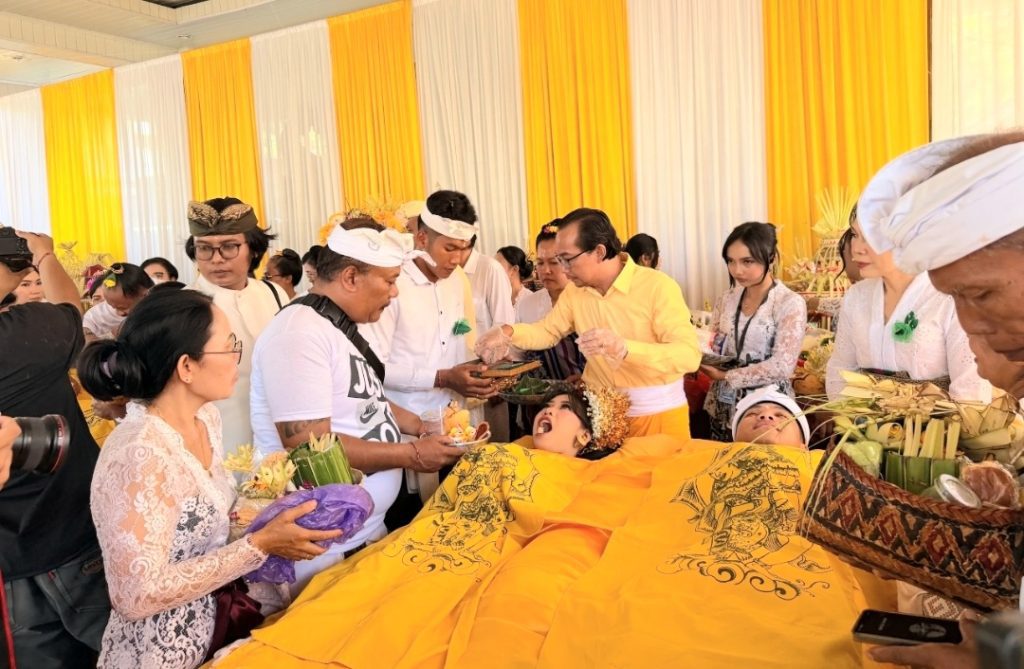
Their presence ensured that the ceremonies were conducted solemnly in accordance with Hindu religious traditions and sacred principles.Beyond the spiritual ceremonies, the event also featured a lively cultural program showcasing traditional dances, performances by young singers, and bondres, a traditional Balinese comedic performance. These artistic presentations added a festive atmosphere while providing opportunities to appreciate and preserve Hindu cultural expressions. The involvement of young performers also reflected the importance of nurturing cultural appreciation among the younger generation. The initiative carried significant social value, particularly because individually organized Mepandes ceremonies can place a considerable financial burden on families. By organizing the ceremonies collectively, IAHN Gde Pudja Mataram sought to provide a simpler and more affordable alternative, helping families fulfil important religious obligations while maintaining the dignity and sacred essence of the rituals.
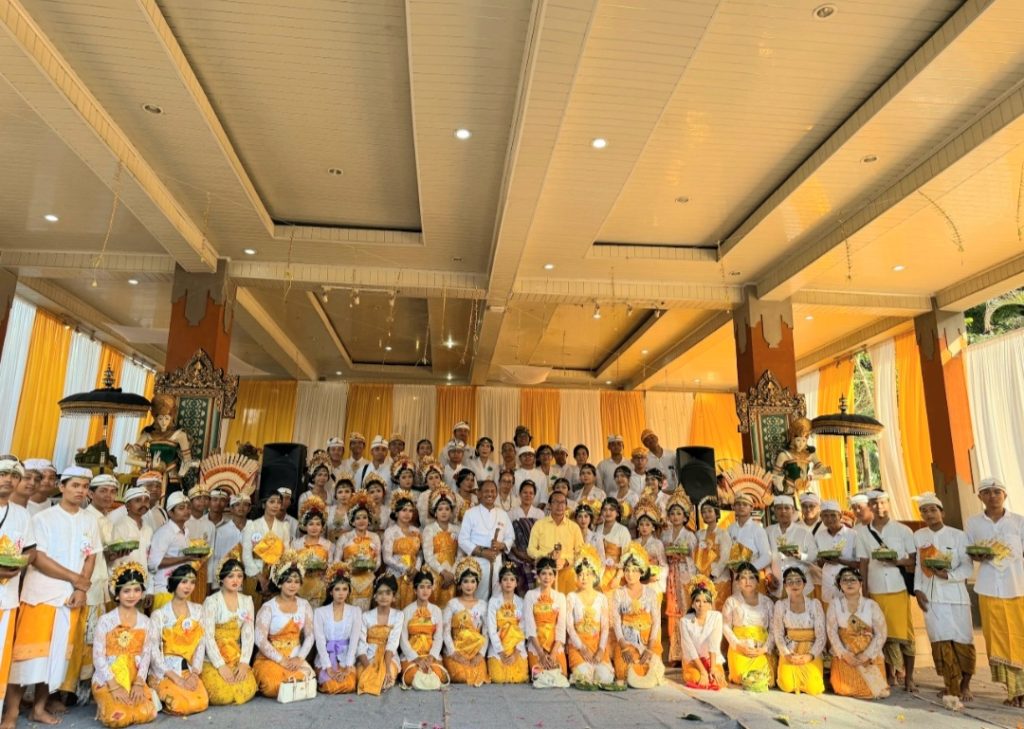
This initiative further reinforces IAHN Gde Pudja Mataram’s role as a higher education institution that grows alongside the community. Beyond serving as a center for academic excellence and human resource development, the institute continues to position itself as a hub for spiritual enrichment, cultural preservation, and community empowerment.Through this initiative, IAHN Gde Pudja Mataram hopes to strengthen the spirit of seva as an integral part of its institutional culture and community engagement. Ultimately, a Hindu higher education institution is expected not only to produce knowledgeable graduates but also to nurture individuals who are spiritually grounded, culturally conscious, socially responsible, and committed to living in accordance with dharma.
(By: DKS)